
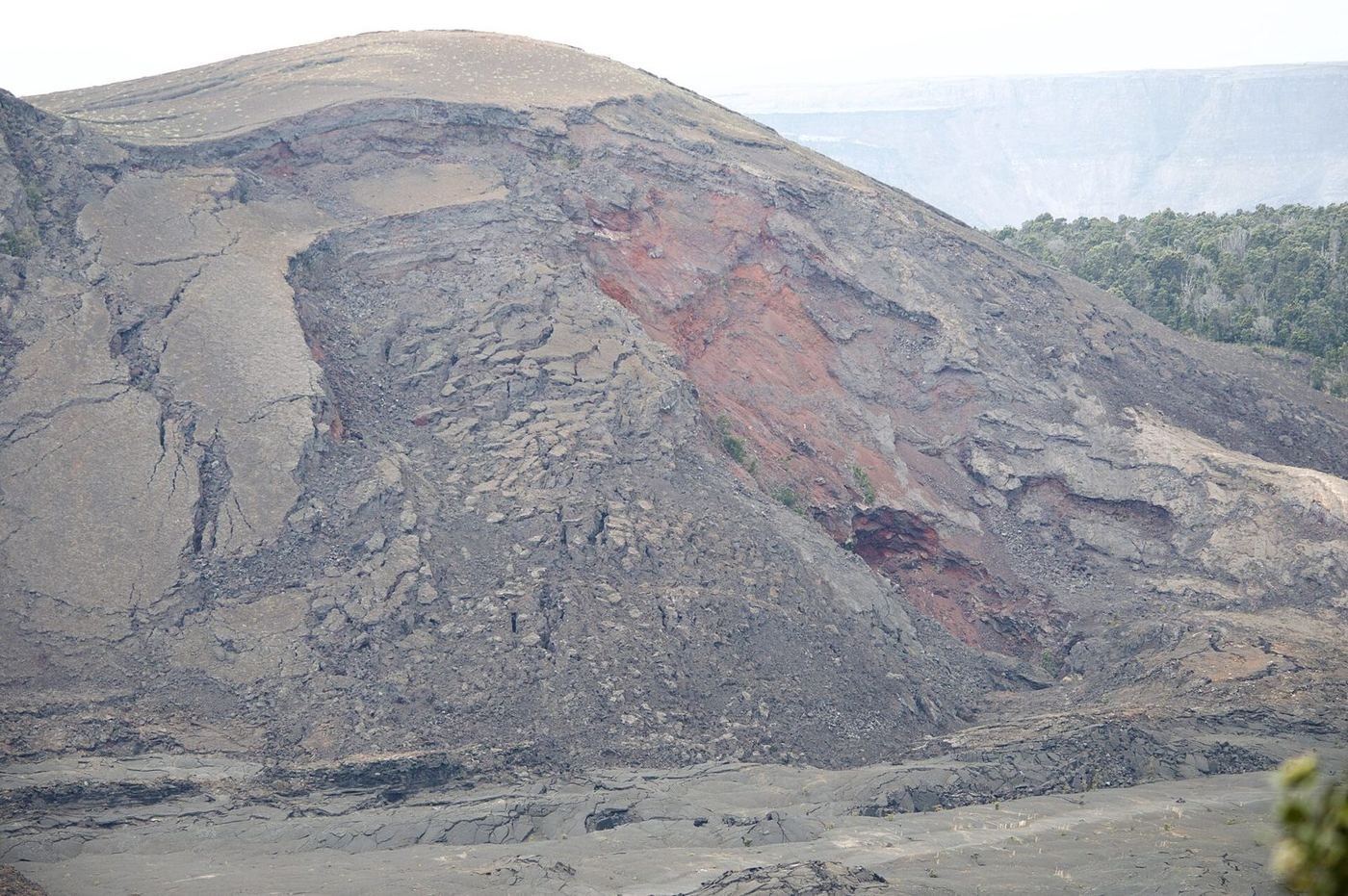
Hawaiʻi Volcanoes protects two of the world's most active volcanoes, Kīlauea and Mauna Loa, along with rainforest, desert, and a lava-shaped coast. It changes constantly, and this is how I'd rank what's worth doing.
Best Time of Year to Visit, and Why
The park is open year-round and the weather at the summit is cool and often rainy in any season, so I'd pick a time based on flights and eruption activity rather than the calendar. Summer has the driest, sunniest weather on the coast, but the summit is always cool and prone to rain.
I'd check the USGS Hawaiian Volcano Observatory before booking anything, and I'd try to include at least one evening at the summit, since fresh lava glows after dark.
How Hawaiʻi Volcanoes Compares to Haleakalā
They're both Hawaiian volcano parks, so here's how I'd decide.
| Hawaiʻi Volcanoes | Haleakalā | |
|---|---|---|
| Headline | An active volcano with lava and steam vents | A dormant volcano with a giant crater and sunrise views |
| Island | Hawaiʻi (Big Island) | Maui |
| Reservation | None required | Sunrise requires one |
| Hiking | Crater floors, lava tubes, and coastal drives | Cinder cones and a bamboo-forest waterfall |
| Best for | Seeing active volcanic landscapes | Sunrise and stargazing |
If I had to pick one, I'd choose Hawaiʻi Volcanoes for the sheer drama of an active volcano. If I was already on Maui, I'd go to Haleakalā instead of making a separate trip.
Hiking Checklist — Hawaiʻi Volcanoes National Park
Rain, sharp lava, and sudden weather changes drive my kit here:
- A rain jacket and warm layers — the summit is cool and often wet.
- Sturdy closed-toe shoes — lava rock is sharp and tears sandals.
- A flashlight or headlamp — the lava tube and the night viewing need one.
- Water and sun protection — the coastal side is hot and shadeless.
- A face mask or a plan for vog days — volcanic gas can irritate lungs.
- A full tank of gas — Chain of Craters Road has no services.
The 10 Best Things to Do in Hawaiʻi Volcanoes National Park
-
1. Hike Kīlauea Iki
A loop across a crater floor that once held a lava lake. 3.3 mi loop, moderate–strenuous, 2–3 hrs.
-
2. See the Kīlauea summit glow after dark
The overlooks around Halemaʻumaʻu are best at night when the lava glows, if the volcano is active. 1 hr.
-
3. Walk through Thurston Lava Tube (Nāhuku)
A lit lava tube, a short walk through a fern forest. 0.4 mi loop, easy, 30 min.
-
4. Drive Chain of Craters Road
A 19-mile descent to the sea past craters and lava flows. 2–3 hrs with stops.
-
5. Stop at the Holei Sea Arch
A natural arch on the coast at the end of Chain of Craters Road. 15–30 min.
-
6. Walk Devastation Trail
A paved trail across a landscape devastated by a 1959 eruption. 1 mi RT, easy, 30–45 min.
-
7. Visit the Steam Vents and Sulphur Banks
Short walks near the visitor center with steam and sulfur deposits. 30 min.
-
8. Hike Puʻuhuluhulu
A short climb up a cinder cone with a view of Mauna Ulu. 2.5 mi RT, moderate, 2–3 hrs.
-
9. Walk Kīpukapuaʻulu (Bird Park)
A quiet loop through a patch of forest surrounded by lava. 1.2 mi loop, easy, 1–1.5 hrs.
-
10. Explore the Kahuku Unit
A quieter, less-visited part of the park on the Kaʻū coast with open lava landscapes. Check the schedule for open days.
Build Your Hawaiʻi Volcanoes Trip, Free
I built ParkPlan to turn a list like this into a real day-by-day itinerary with your own dates, travelers, and budget.
Start My Hawaiʻi Volcanoes Trip → Or see my full 1, 2 & 3-day Hawaiʻi Volcanoes itineraryNearby Parks to Pair With Hawaiʻi Volcanoes
Building a longer road trip? These guides sit within a day's drive of this one.
Eruption status, road closures, and air quality are accurate as of publication but change by the day — always confirm current conditions, road status, and reservation rules at nps.gov/havo before you go.