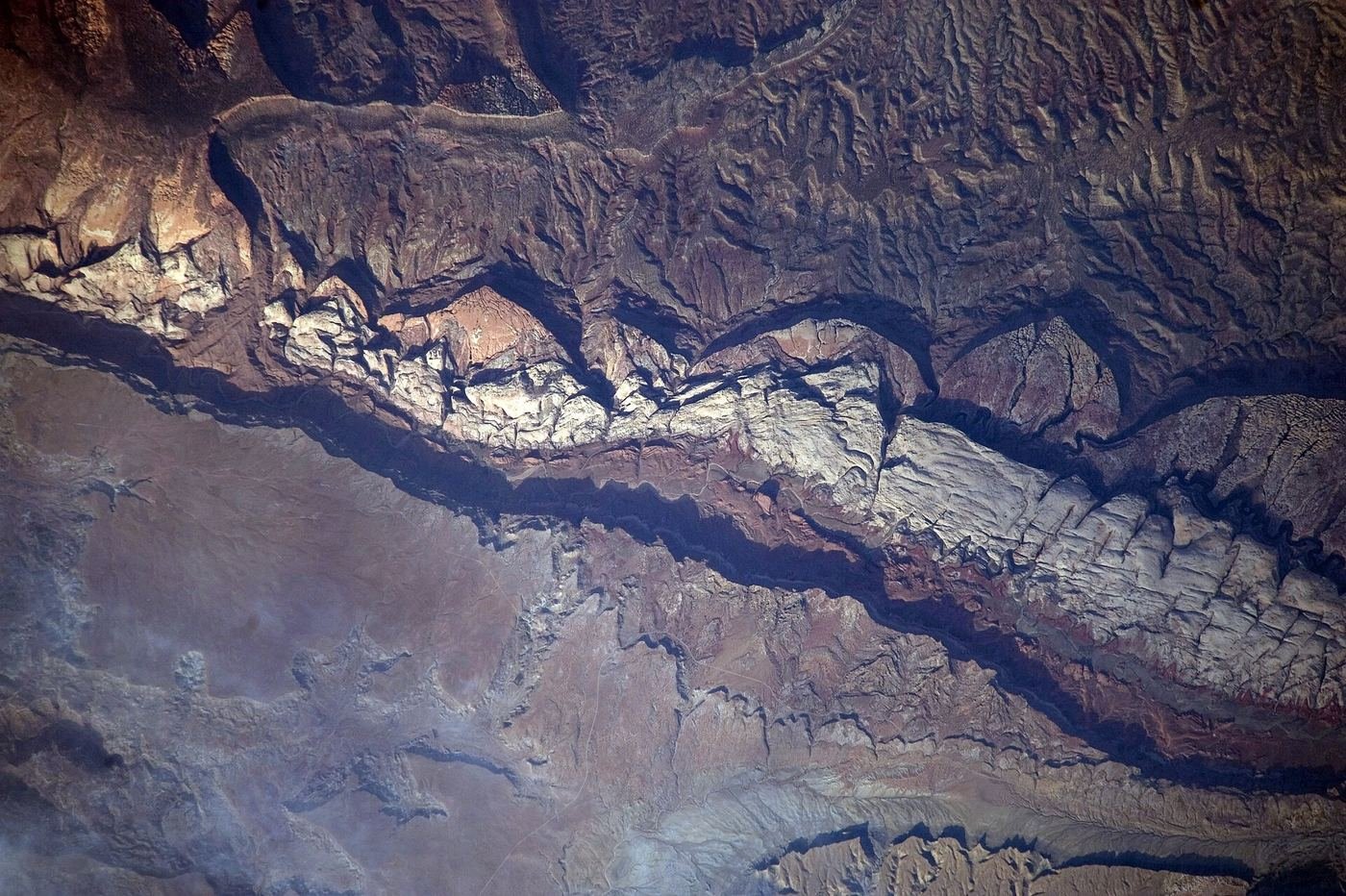
Capitol Reef is the park people skip. It gets sandwiched into the middle of a Mighty 5 road trip between Zion and Bryce on one side and Canyonlands and Arches on the other, and most itineraries give it a single afternoon on the way through. That's honestly the best-kept secret in Utah, because it means you can hike a genuinely spectacular trail, stand on top of a real arch, and eat a slice of pie grown from a tree the park still waters, and you'll do most of it without another group in sight. This isn't a smaller, lesser version of the other parks — it's a 100-mile monocline called the Waterpocket Fold, and it rewards people who actually stop. Here's my real list, plus the planning details that actually change how good your trip is.
Best Time of Year to Visit, and Why
I'd go in April, May, September, or October, same shoulder-season window as the rest of southern Utah, but the reasoning here is a little different from Zion. Fruita sits around 5,400 feet, higher than Zion Canyon, so summer days are hot on exposed slickrock like the Cassidy Arch and Golden Throne trails, but the nights cool off more than you'd expect. The bigger issue in summer is the monsoon: Capitol Gorge is a genuine slot-canyon-adjacent gorge with no easy exit, and a storm anywhere upstream can flood it fast, so July and August mean checking the forecast obsessively or skipping it. Spring gets you orchard blossoms in Fruita; September and October get you the actual fruit harvest, which is worth planning around on its own. Winter is quiet and pretty, but the Scenic Drive spur can ice over and Cathedral Valley's dirt roads turn to impassable mud with almost no notice. The good news, and this is genuinely true and not just something I say to be nice: Capitol Reef is the least-crowded of the Mighty 5 in any season, so even a compromise date will feel calm.
How Capitol Reef Compares to Zion
I get asked constantly whether someone should add Capitol Reef to a Zion-anchored trip or skip it to save a day, so here's my honest comparison rather than a dodge:
| Capitol Reef | Zion | |
|---|---|---|
| Terrain | A 100-mile buckle in the earth's crust (the Waterpocket Fold) — open desert, orchards, and slickrock domes | Deep canyon, you're down inside it |
| Signature hike | Cassidy Arch / Hickman Bridge — moderate, no permit, no shuttle line | Angels Landing / The Narrows — both genuinely strenuous or technical, one needs a permit |
| Elevation | ~5,400 ft in Fruita — warm days, cool nights | ~4,000 ft — feels warm, can be hot in summer |
| Crowds | The quietest of the Mighty 5 — no reservations, no shuttle system, no permit lotteries | Busier — one of the most visited parks in the country |
| Best for | People who want real hiking and real solitude without fighting a crowd for either | Serious hikers who want a physical, memorable challenge |
If I had to pick just one, I'd still pick Zion for the sheer drama — but Capitol Reef is the park I'd send a friend who's already "done" the famous ones and wants to feel like they found something themselves.
Hiking Checklist — Capitol Reef National Park
Obviously, for anything beyond a short walk, you'll want real hiking gear, not just sneakers and a water bottle. Here's what I actually bring on every hike in Capitol Reef:
- A 2–3L hydration reservoir — you drink more when it's easy to sip without stopping, and on shadeless trails that matters more than people expect.
- Blister prevention (moleskin or heel-protector pads) — cheap insurance against the one small thing that can end a big hike early.
- A reliable headlamp with long battery life — for a pre-dawn start or a hike that runs later than planned.
- Real hiking or trail-running shoes with good grip — something rugged for slickrock and exposed sections, something lighter for flatter, easier trails.
- A packable waterproof rain shell — desert storms move in fast, and you want something water actually beads off of, not just "water-resistant."
- A lightweight sun shirt with a hood — many of the best trails here have zero shade for hours at a time.
- High-SPF sunscreen, reapplied — same reason as above.
The 10 Best Things to Do in Capitol Reef National Park
-
1. Hickman Bridge
My pick for the single best return on effort in the park. It starts flat along the Fremont River drainage, then climbs a short set of rock steps onto open slickrock with Capitol Dome rising behind you the whole way. You'll pass a small Fremont-culture granary tucked into the rock before the trail ends underneath a 133-foot natural bridge you can actually walk beneath. 1.8 mi RT, 400 ft gain, moderate, about 1.5 hrs.
-
2. Capitol Gorge and the Golden Throne Trail
The gorge floor walk is nearly flat and passes the Pioneer Register, a rock wall where travelers carved their names starting in the 1880s, and The Tanks, natural potholes that collect and hold rainwater. A branch trail climbs from there to an overlook of the Golden Throne, a sandstone monolith that genuinely does glow gold in late-afternoon light — worth timing your hike around if you can. 2–4 mi RT depending on how far you go, 700 ft gain, moderate, 2–3 hrs.
-
3. Cassidy Arch
This is the hike I'd point to if someone doubted Capitol Reef could compete with the other Mighty 5 parks. It climbs steadily out of Grand Wash up slickrock switchbacks, and instead of just viewing an arch from below, the trail brings you out on top of Cassidy Arch itself, named for Butch Cassidy, who reportedly used this area to hide out. It's a real climb — most of the elevation gain comes in the first couple miles — but nowhere near as exposed or technical as Angels Landing. 3.4 mi RT, roughly 670–800 ft gain, moderate to strenuous, 2–3 hrs.
-
4. Capitol Reef Scenic Drive
A paved 7.9-mile road one-way that runs straight through the Waterpocket Fold, with the orchards and red cliffs of Fruita giving way to increasingly dramatic rock formations. This is the one spot in the park with a fee — $20 per vehicle for this specific road — and it's worth every dollar even if you don't get out of the car once, though you should, because most of the trailheads on this list branch off it. Easy, 1–2 hrs round trip.
-
5. Fruita Historic Orchards
This still catches people off guard: Capitol Reef maintains around 3,100 fruit and nut trees planted by Mormon pioneer settlers in the 1880s, and during harvest season you can walk into an open orchard and pick cherries, apricots, peaches, pears, or apples straight off the tree, free to eat while you're in the orchard, with a small fee if you take fruit home. Easy, about an hour, best timed to the specific fruit's harvest window, which the park posts and updates through the season.
-
6. Gifford Homestead
A restored 1908 farmhouse in the Fruita orchards that's now a small store and museum, and the reason I plan a stop here around a meal every single visit: they bake fresh pies daily, apple, cherry, strawberry-rhubarb, mixed berry, and peach depending on the day, along with cinnamon rolls. Popular flavors sell out, sometimes by early afternoon, so I go right after it opens rather than treating it as an afterthought. It's typically open daily from mid-March through late fall; check current hours before you go since they do shift seasonally.
-
7. Chimney Rock Trail
A loop that climbs from Highway 24 up onto the rim of Mummy Cliff, with views back down over Chimney Rock's red-and-white banded spire and out across badlands that look almost lunar. It's steeper than it looks on the map for the first stretch, but the payoff view comes fast and holds the whole way around the loop. 3.5 mi loop, 590 ft gain, moderate, 1.5–2 hrs.
-
8. The Petroglyph Panels on Highway 24
Ancestral Fremont-culture petroglyphs, human-like figures, bighorn sheep, and geometric designs carved into the Wingate sandstone cliffs sometime between roughly 300 and 1300 AD, viewable from a flat, wheelchair-accessible boardwalk about 1.5 miles east of the visitor center. It takes well under an hour and needs zero gear or planning, which makes it an easy add even if you're tight on time. 0.3 mi boardwalk, easy.
-
9. Cathedral Valley
The park's genuine backcountry experience, and I only send people here if they have the vehicle and the day for it. The 58-mile loop road requires high clearance and often 4WD, including a ford of the Fremont River near the start that can be impassable after rain, and it winds past the Temples of the Sun and Moon and Glass Mountain, towering sandstone monoliths standing alone in open desert with nobody else around. Check road conditions at the visitor center before you commit; this is not a trip to wing.
-
10. Stargazing
Capitol Reef has held a Gold-tier International Dark Sky Park designation since 2015, the highest rating there is, and it earns it. With almost no light pollution for miles in any direction, a clear night here gets you a genuinely dense view of the Milky Way without any special gear beyond a blanket and maybe a red-light headlamp so you don't wreck your night vision. I'd pair this with a night in or near Fruita rather than treating it as a separate stop.
Build Your Capitol Reef Trip, Free
I built ParkPlan to turn a list like this into a real day-by-day itinerary with your own dates, travelers, and budget.
Start My Capitol Reef Trip → Or see my full 1, 2 & 3-day Capitol Reef itineraryNearby Parks to Pair With Capitol Reef
Building a longer road trip? These guides sit within a day's drive of this one.
Trail stats, access details, and closures are accurate as of publication but change — always confirm current conditions at nps.gov/care before you go.